10 signs you need a research system, not a one-time survey
You run surveys, but decisions don’t become clearer? Maybe what you need is not another survey — but a research system.
Companies often conduct research примерно так:
when sales drop
when launching a new product
when a new marketing director joins
when “something feels wrong”
when it’s already too late
And every time it looks like a one-time survey.
But the problem is that the market is constantly changing, while research is conducted occasionally.
As a result, companies make decisions based on outdated data, react instead of manage, and learn about problems too late.
A one-time survey is like doing a blood test once and never checking your health again.
Meanwhile, we already live in a world where people wear:
Apple Watch
Oura Ring
fitness trackers
sleep trackers
stress trackers
And all of this exists for one reason — health must be tracked continuously, not once.
Business works the same way.
A one-time study is a test.
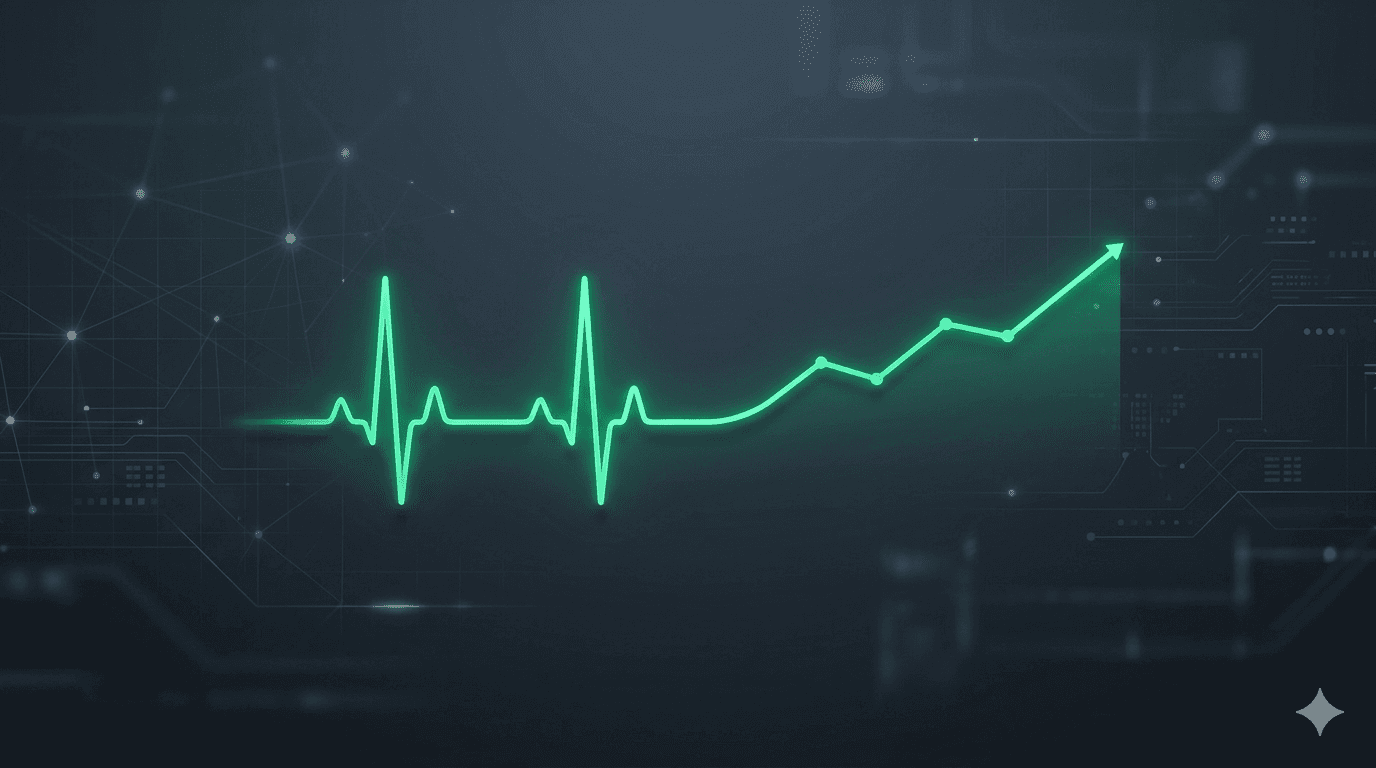
A research system is a heart rate monitor.
Sign #1. You conduct research only when “something happens”
This is a reactive model.
sales dropped → run a survey
NPS dropped → run a survey
customers complain → run a survey
a competitor launched something → run a survey
A research system works the other way around:
You see the problem before sales drop.
For example:
NPS is declining in one segment
negative feedback is growing in a specific location
customers mention competitors more often
decision criteria are changing
This is no longer just research.
This is an early warning system.
Sign #2. Each research project takes 1–2 months
And the reason is not only the research itself.
Often the longest stages are:
preparing the brief
internal approvals
selecting a vendor
tender procedures
procurement process
contracts
questionnaire approval
fieldwork
report
In total, 6–8 weeks pass.
And the market has already changed.
So the research answers the question:
“What was relevant one and a half months ago?”
If research is built into a system rather than launched through procurement every time,
the company starts making decisions much faster.
And that becomes a competitive advantage.
Sign #3. You have snapshots, but no dynamics
A one-time survey answers the question:
“What is happening now?”
But for business, a more important question is:
“What is changing?”
You need trackers:
NPS
Customer Satisfaction
Brand Health Tracking (BHT)
Product tracking
Employee surveys
Competitor tracking
Because you can only manage what is measured over time.
A bit of irony from real life:
A BHT study conducted once a year is a very interesting study.
It shows how the marketing team worked… last year.
Sometimes that team is no longer there.
And the strategy is already the third version since then.
But the report looks beautiful, the charts look great, the budget is spent — everyone is happy.
Except the market.
Sign #4. You don’t know why customers leave
A very common situation.
The company knows:
how many customers left
But doesn’t know:
why
at what stage
for what reason
to which competitor
According to Harvard Business Review,
companies lose up to 15–25% of customers annually and often don’t know the exact reason for churn.
Source: Harvard Business Review, The Value of Keeping the Right Customers.
If a company doesn’t have:
exit surveys
review analytics
CJM research
competitor monitoring
— it means there is no feedback system.
Sign #5. Product decisions are based on opinions
Phrases you hear in almost every company:
“I think customers care about this”
“Our customers love…”
“If I were a customer, I would choose…”
“Competitors are doing this, so we should too”
“Let’s add this feature”
This means decisions are made
not based on data, but on opinions.
This is where conjoint analysis helps, because it answers the question:
Not what people like.
But what they actually choose when they have to pay.
Sign #6. You don’t monitor competitors systematically
You learn about competitors when:
they launch advertising
they reduce prices
they open a new location
they launch a new product
But you don’t constantly monitor:
competitor reviews
their weaknesses
why customers love them
why customers complain
their promotions
how their ratings change
And this is exactly what market intelligence is.
Sign #7. You have a lot of data but few insights
CRM
Reviews
Calls
Chats
Social media
Surveys
Web analytics
There is a lot of data.
But no answers to the questions:
what should we do
what should we fix
where should we invest
where are we losing customers
where is the growth point
This means there is no system that turns:
data → insights → decisions → money
Sign #8. You cannot calculate ROI from research
A very important point for CEOs.
McKinsey writes that companies that systematically use customer insights
grow 2–3 times faster than the market.
Source: McKinsey, The value of getting personalization right, 2021.
When research is one-time, it is impossible to understand:
what it changed
what it influenced
how much money it generated
When research is a system, you can connect:
research → changes → money.
Sign #9. Research is a report, not a management tool
Very often research ends like this:
conducted
presented
sent as PDF
forgotten
A research system works differently.
It:
shows alerts
shows dynamics
shows problem areas
shows growth points
helps make decisions
So this is no longer a report.
This is a business control dashboard.
Sign #10. You make decisions slower than the market
And this is probably the most important point.
Today, winners are not the companies that have more data.
But the companies that understand what is happening faster and make decisions faster.
According to Deloitte, companies that implement continuous research and customer analytics
make strategic decisions 30–40% faster.
Source: Deloitte, Data-driven decision making, 2022.
A very important idea
A one-time survey answers the question:
“What do customers think?”
A research system answers the questions:
What is happening to customers?
What is changing?
Why are sales dropping?
Why are customers choosing competitors?
What should our product look like?
Where are we losing money?
Where is the growth point?
These are two completely different levels.
What a research system includes
A research system can be represented as 5 blocks:
Customer experience tracking (NPS, CSI, CX)
Review analytics
Product research (conjoint, concept tests)
Competitor monitoring
Fast surveys for hypotheses
When these blocks work together,
the company begins to understand the market in real time.
Conclusion
Companies used to compete with products.
Then with marketing.
Now companies compete in speed of understanding the market.
And the winner is the one who:
hears the customer faster
sees the market faster
makes decisions faster
And for that, you don’t need a one-time survey.
You need a research system.